Love an old Orange home? What buyers and owners should know
Explore Orange’s historic-home districts, renovation reviews and Mills Act obligations, including the current pause on new property tax incentive applications.
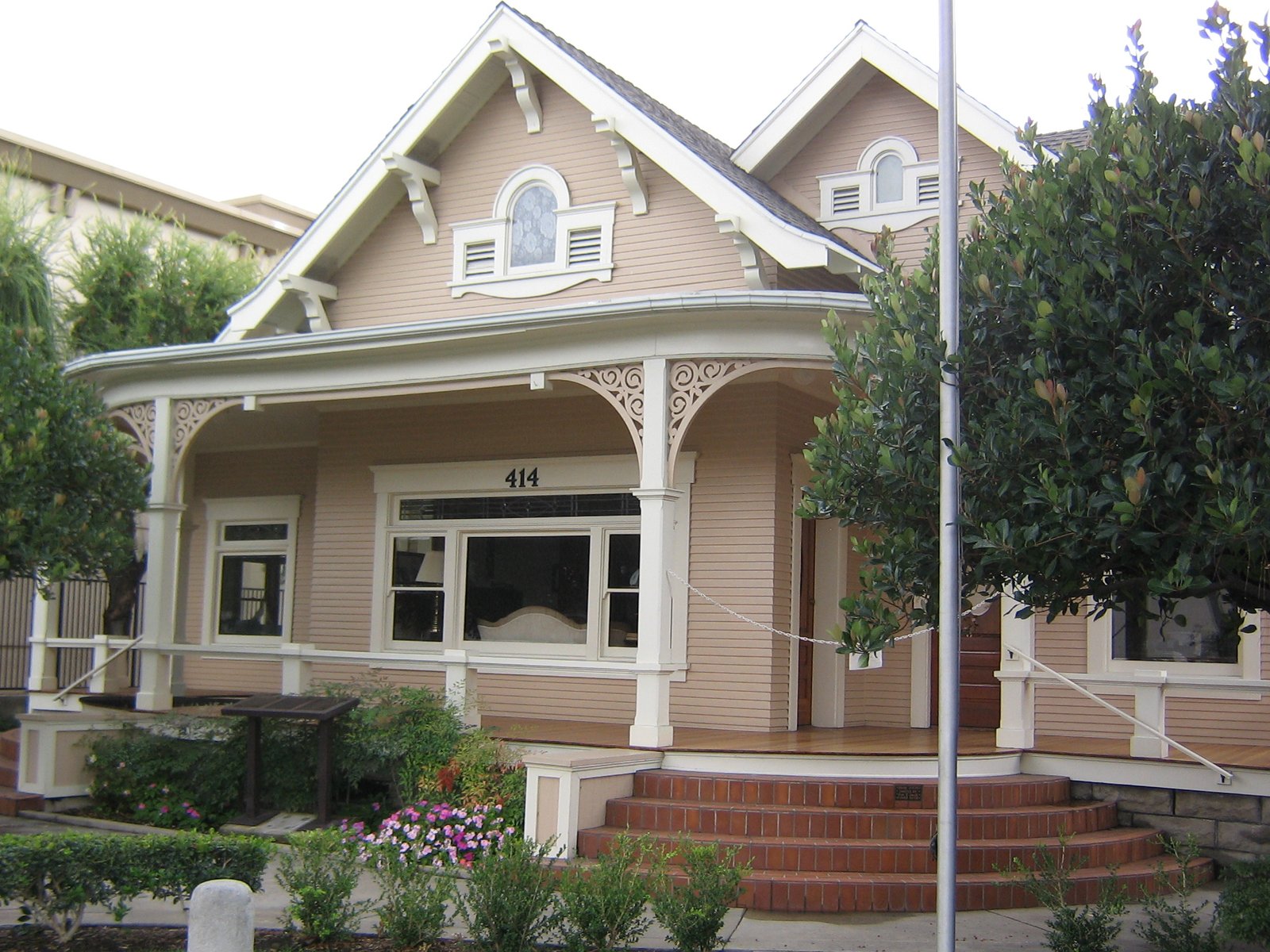


A distinctive porch or original wood windows may be what catches your eye. But buying or caring for a historic home in Orange also means understanding what makes the property significant, which changes need review and whether a preservation agreement comes with the keys.
The city offers a useful starting point: check the address before making assumptions about either restrictions or tax benefits. Historic designation and a Mills Act contract are separate matters, and Orange is currently not accepting new Mills Act applications while it reviews the program.
Historic Orange reaches beyond Old Towne
According to the city’s historic-district guide, Old Towne contains three overlapping districts: the Plaza Historic District, listed in the National Register of Historic Places in 1982; the locally designated Old Towne district; and the larger Old Towne Orange Historic District, listed nationally in 1997.
Orange’s preservation story also includes midcentury homes. The Fairhaven, Fairhills and Fairmeadow Eichler tracts became local historic districts in 2018, recognizing their architecture and community design. They have their own design standards for projects affecting home exteriors.
For a particular address, begin with the city’s historic preservation map and ask planning staff to confirm the property’s status. The city says the Old Towne map is based on its 2010 Historic Resources Inventory. A house’s age or a real estate listing’s description is not a substitute for checking the applicable records.
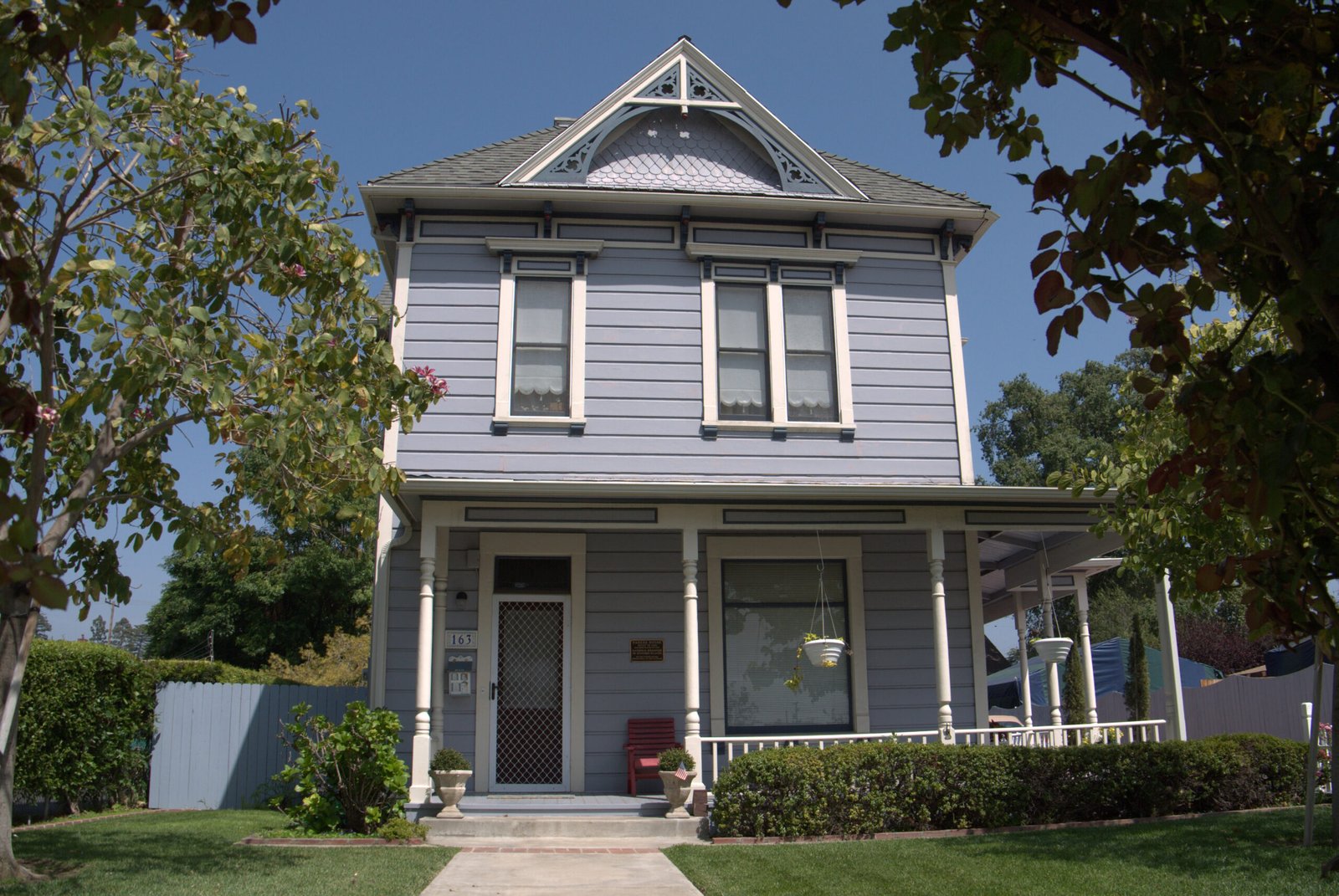

Plan the project before ordering materials
Historic preservation does not mean every building must remain untouched. The National Park Service’s rehabilitation standards recognize that repairs, alterations and additions can accommodate continued or new uses while retaining a building’s historic character.
In Old Towne, however, the city says its preservation design standards apply to all properties within the historic district. Most exterior changes require review. Many smaller projects can be handled by staff through Minor Design Review; substantial changes go to the Design Review Committee.
The city lists roofing, solar panels, fences and siding repairs among common minor-review projects. Additions and roofline changes are among its examples of committee-review projects. Even landscaping exempt from a formal review must meet the design standards.
Windows are a particularly useful example. The city’s guidance calls for repairing and restoring historic windows and doors and says vinyl windows are prohibited in the district. Before choosing replacements, discuss the existing materials and proposed work with preservation staff.
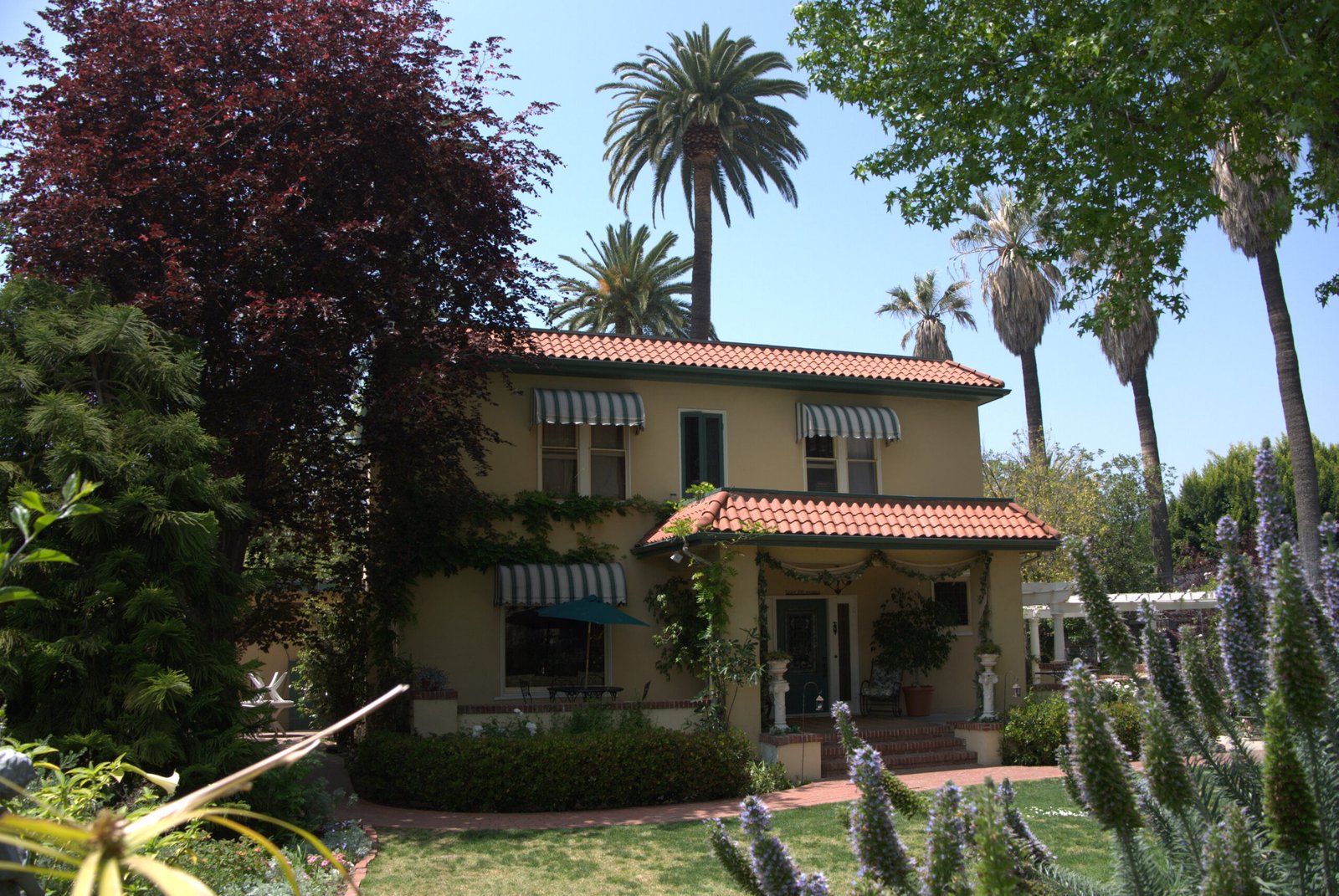

A tax incentive comes with a preservation commitment
The Mills Act, enacted in California in 1972, allows participating local governments to enter agreements with owners of qualified historic properties. Owners commit to preservation and maintenance in return for potential property tax relief. Orange established its program in 1998.
The benefit is not a standard discount. The Orange County Assessor’s guidance linked by the city explains that some properties with low existing assessed values may not benefit. Mills Act valuations are recalculated annually. The county assessor, rather than the city, determines the assessed value.
For buyers, the agreement itself deserves attention. State law requires a minimum 10-year contract term and provides that successor owners inherit its rights and obligations. It also requires interior and exterior inspections before a new agreement and every five years afterward. The state preservation office explains that contracts have automatic annual extensions and remain with the property when it changes hands.
Orange also requires participating owners to report on repairs and maintenance and update their rehabilitation plans every 10 years. Buyers should request the recorded agreement, its work plan and available compliance records, then confirm outstanding obligations with the city rather than assuming a sale starts the arrangement over.
Check today’s program status
Orange’s application pause makes the distinction between an existing contract and a hoped-for new one especially important. A historic home without a contract should not be budgeted as though new Mills Act approval is assured.
An October 13 city staff report described approximately 414 active contracts and a proposed comprehensive review of the program. The city’s current program page directs residents to council agendas for updates. Prospective applicants should verify the latest status and fees before preparing an application.
For property status and renovation questions, Orange lists its Community Development Department at 714-744-7220. For property-specific Mills Act valuation questions, the city directs owners to the Orange County Assessor’s Special Properties Division at 714-834-2727.
Those conversations can help turn an appealing old house into a workable plan: understand the features worth preserving, identify the work ahead and price the responsibilities along with the home.
Have information about this story?
Contact the newsroom →