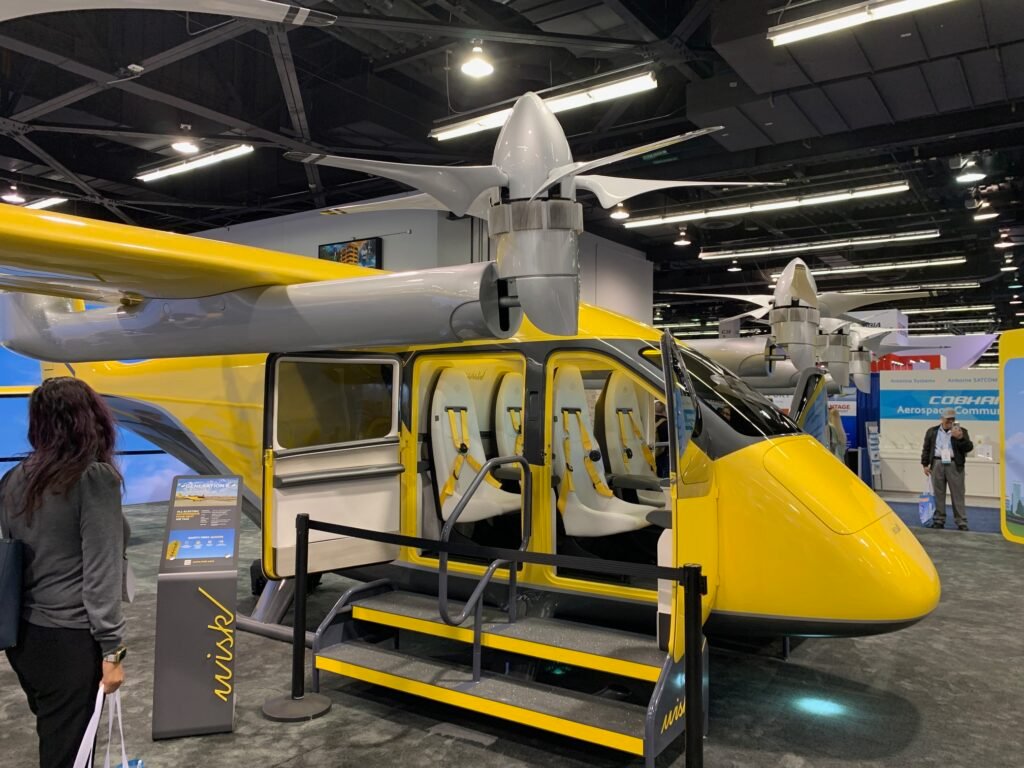
Like it or not, the age of autonomous air taxis and drones is here. The U.S. Department of Transportation just announced on March 9 that it has selected eight proposals to participate in its Advanced Air Mobility and Electric Vertical Takeoff and Landing (eVTOL) Integration Pilot Program.
The eight projects chosen by the DOT spread across 26 states and include a range of public agencies and private companies. Concepts initially include, autonomous air taxi service, emergency medical response, cargo and logistics operations, and energy transportation.
Chris Rocheleau, FAA deputy administrator said, “The program will provide valuable operational experience that will inform the standards needed to enable safe Advanced Air Mobility operations”.
Sean Duffy, U.S. Secretary of Transportation added, “Congratulations to the great American innovators behind each of these exciting pilot programs. Working together, we will ensure America leads the way in safely leveraging next-gen aircraft to radically redefine personal travel, regional transportation, cargo logistics, emergency medicine, and so much more.”
Air taxi start up, Joby Aviation just acquired a 700,000 square-foot manufacturing facility in Dayton, Ohio, to ramp up its production capabilities. It was one of the project chosen by the DOT as a partner to begin operations in 10 states, not including California.
JoeBen Bivert, Joby’s founder and CEO said, ““Instead of just reading about the future of flight, communities across America are going to be able to see it in the skies above their own cities this year.”
A California-based company called Archer Aviation, focused on creating electric vertical takeoff and landing (eVTOL) aircraft for short urban flights in busy cities like those in the Northeast and Midwest, has had its partner locations in Florida, Texas, and New York chosen for a federal initiative.
The company announced that it will collaborate with the Texas Department of Transportation, the Florida Department of Transportation, and the Port Authority of New York and New Jersey. The goal is to establish on-site teams, build necessary infrastructure, and develop procedures in these areas to support safe testing and eventual rollout of its electric Midnight aircraft.
“This represents the strongest indication so far from the administration, the FAA, and the Department of Transportation that launching urban air mobility services across the U.S. is a serious national focus,” said Adam Goldstein, the company’s founder and CEO.
What does this mean for the City or Orange and the region? The Mayor and city officials should start immediately identifying areas for the possible location of an air taxi “vertiport”, the term coined for a base from which to operate air taxis, in addition to possible commercial locations for delivery and other industrial eVtol operations.
According to Councilmember Ariana Barrios, “We need to move past the old ‘Orange Way’ of being reactive, and instead be proactive. We already have retailers like WalMart talking about drone deliveries and we need to be part of that discussion and all the others regarding new technologies that are being rolled out right now”.
In addition to the economic and convenience benefits of having an early Vertiport to transport Orange citizens to airports and destinations around Southern California, there is revenue potential for the city.
The city can put in place fees for operations like take offs and landings that could produce significant revenue. These issues demand immediate attention if Orange and its citizens are to be beneficairies in the roll out of these technologies. The proximity to the Anaheim resort area could make air taxi operations from the west end of Orange a major revenue driver to a city in dire need of new sources of money.